
The digital world is changing more quickly than ever. In 2026, web design is more than simply aesthetics; it’s about giving each visitor an engaging, useful, and highly customized experience. Keeping up with design trends is crucial for companies looking to differentiate themselves online. Here’s a thorough examination of the major web design trends influencing 2026.
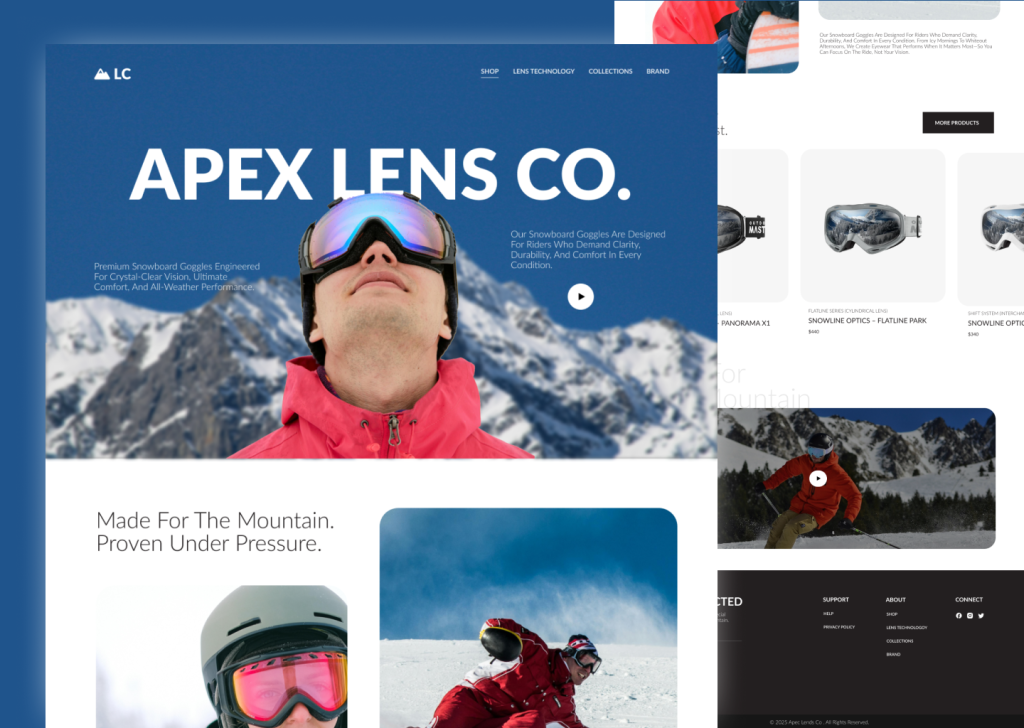
1. AI-Powered Design for Smarter Websites
Artificial intelligence is changing web design; it’s no longer just a catchphrase. AI tools are now able to:
- Create unique layouts in a matter of seconds.
- Improve materials and pictures to speed up load times.
- UX may be automatically improved by analyzing user behavior.
AI-powered systems, for instance, can test A/B variations without human intervention, suggest color schemes based on brand identification, and generate tailored content recommendations. AI-assisted websites will be intuitive, predictive, and customized for every user by 2026.
2. Hyper-Personalization for User Engagement
The days of generic websites are over. Customized experiences are increasingly expected of visitors:
- Dynamic content that adapts to user preferences.
- Personalized product recommendations on e-commerce sites.
- Region-specific content and multi-language support.
Hyper-personalization leverages AI, analytics, and user data to deliver content that feels “made for you.” Businesses that embrace this trend will see higher engagement, lower bounce rates, and more conversions.
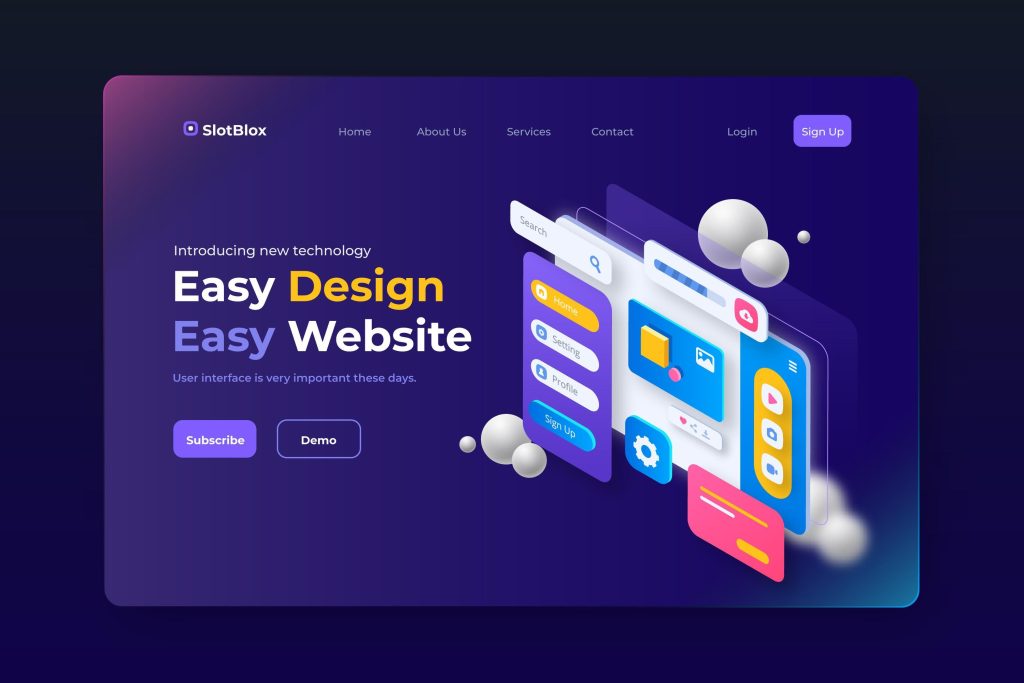
3. Immersive 3D and Motion Design
Static websites are becoming obsolete. 3D components, micro-interactions, and fluid motion animations are giving websites a vibrant feel. Instances consist of:
- Interactive product demos with 3D models.
- Subtle hover effects that guide users naturally.
- Animated illustrations that tell a story as users scroll.
The key is balance: motion should enhance usability, not distract from it.
4. Voice User Interface (VUI) Integration
With the rise of voice assistants like Siri, Alexa, and Google Assistant, voice-first experiences are gaining traction. Websites in 2026 will start integrating:
- Voice search directly on the website.
- Voice-guided navigation for accessibility.
- Conversational AI to answer user queries instantly.
This trend aligns with accessibility and SEO improvements, making websites more inclusive and discoverable.
5. Sustainable, Eco-Friendly Web Design
Digital carbon footprint is now a growing concern. Sustainable web design focuses on:
- Optimizing code and images to reduce server load.
- Minimizing unnecessary animations and scripts.
- Choosing eco-friendly hosting providers.
Eco-conscious design not only appeals to environmentally aware users but also improves site speed, which boosts SEO and conversion rates.
6. Neumorphism and Soft Minimalism
Minimalism continues to evolve. Neumorphism blends minimal design with soft shadows, subtle gradients, and tactile elements. It creates interfaces that feel natural and modern while maintaining simplicity.
Key elements include:
- Soft, realistic button styles.
- Layered, 3D-like input fields.
- Balanced whitespace that enhances focus.
7. Augmented Reality (AR) Experiences
AR is crossing over from mobile apps to web. Retailers and service providers are now offering:
- “Try before you buy” product previews directly on the website.
- Virtual tours of properties, showrooms, or experiences.
- Interactive AR-infused storytelling to engage users.
WebAR enhances conversion and engagement by making digital interactions more tangible.
8. Ethical Design and Accessibility by Default
Designers are now prioritizing ethical UX:
- Transparent data collection.
- Clear consent for cookies and tracking.
- Accessibility for all, including keyboard navigation and screen readers.
Websites that embrace ethical design gain trust and loyalty, and they avoid regulatory risks.
9. Microcopy That Speaks to Users
The tiniest words on your site can make a huge impact. Microcopy—labels, tooltips, button text, and notifications—is trending in 2026:
- Conversational, friendly language.
- Guidance that reduces friction and frustration.
- Messaging aligned with brand personality.
Smart microcopy improves UX and subtly drives conversions.
10. Futuristic Typography and Variable Fonts
Typography is breaking free from rigid systems. Variable fonts and experimental typography allow designers to:
- Adjust weight, width, and style dynamically.
- Create visually striking headlines that adapt to screen size.
- Enhance brand identity without sacrificing readability.
By 2026, typography won’t just communicate—it will interact with users.
Conclusion
The web in 2026 is intelligent, immersive, and personalized. Businesses that adopt these trends early will enhance user experience, build trust, and boost conversions. As a digital web design agency, staying ahead of these innovations ensures that your clients’ websites are not just functional—they’re extraordinary.
Ready to future-proof your website? Let’s create a design that thrives in 2026 and beyond.
